Sustainable / Native Landscape Design in Huntersville, NC
Guide to sustainable and native landscape design in Huntersville, NC: what the work involves, what to look for, and how our scoring ranks 7 local designers.
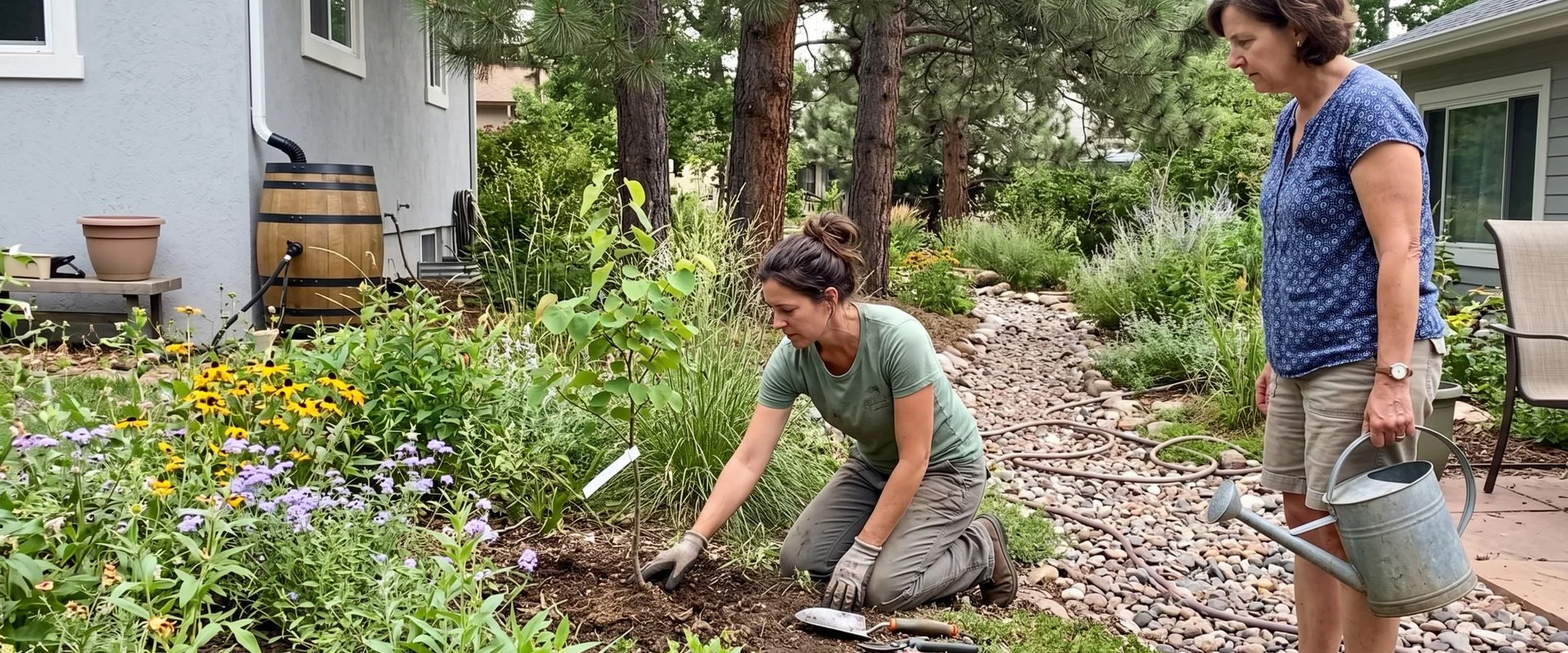
Sustainable and native landscape design focuses on plant choices and layouts suited to the Piedmont's clay soil, humidity, and rainfall patterns rather than turf and exotic ornamentals that need constant water and chemical inputs. In and around Huntersville, that often means swapping fescue lawns for native grasses and groundcovers, adding rain gardens to handle runoff near Lake Norman and its feeder creeks, using pollinator plantings (coneflower, milkweed, bee balm, native asters), and grouping plants by water need so irrigation stays minimal once things are established. The goal is a yard that looks intentional, handles storms without erosion, and needs less mowing, spraying, and watering over time.
What to look for in a designer
Ask whether they specify plants native to the Piedmont or Southeast versus generic "eco-friendly" substitutes, and whether they've handled Charlotte-metro clay soil and drainage before. A good design should account for your yard's actual sun exposure, slope, and existing drainage problems, not just drop in a plant palette. Get a clear scope on installation versus a plan-only service, expected timeline for plants to fill in, and maintenance instructions for the first two growing seasons while roots establish.
How we score them
We rank the 7 designers in this category on things like relevant project experience, client feedback, responsiveness, and how clearly they communicate scope and pricing. The team detail on our approach is on the methodology page. For the ranked list with scores side by side, see the best landscape designers in Huntersville, NC guide.
Get design proposals for sustainable / native landscape design in Huntersville, NC
No cost and no obligation. Share a few details and we'll connect you with a good fit.
All sustainable / native landscape design in Huntersville, NC, ranked by score and relevance
0 businesses, scored on recent reviews. The order weighs each business's overall score by how much of its reviewed work is sustainable / native landscape design, so a lower-scored specialist can rank above a higher-scored generalist.
Your enquiries through our forms may go to partner providers who can do the work, and we may earn a referral fee for this. Our rankings and scores follow our published method only and are never affected by referral fees.
Common questions about sustainable / native landscape design
- How much does a native landscape design project cost in Huntersville?
- Costs vary widely by yard size and whether you want a plan only or full installation. A design consultation and plan for a typical residential lot often runs a few hundred to a couple thousand dollars, while installation with plants, soil amendment, and hardscaping like rain gardens can run several thousand more. Get itemized quotes so you can see how much is design versus labor and materials.
- How often does a native landscape need maintenance compared to a traditional lawn?
- Once established (usually after one to two growing seasons), native and sustainable landscapes typically need less frequent watering and mowing than turf, but they still need seasonal work: cutting back perennials in late winter, weeding while plants fill in, and occasional pruning. It's lower-maintenance long-term, not maintenance-free from day one.
- What should I expect during the first year after installation?
- Expect to water new plantings regularly through the first summer while root systems develop, and expect the yard to look sparse initially since native perennials and grasses often take a full season or two to reach mature size. A designer worth hiring will walk you through this timeline upfront so it doesn't come as a surprise.
- How can I judge the quality of a proposed design before committing?
- Ask to see photos of past projects at the one- and three-year mark, not just install day, since that shows how plants actually mature. Check that the plant list matches your yard's real sun and drainage conditions, and confirm the designer has a plan for handling stormwater or slope issues if your property has them.