Free and low-cost landscape design help in Charlotte Metro
By Rod Burnett · Updated 2026-07-14
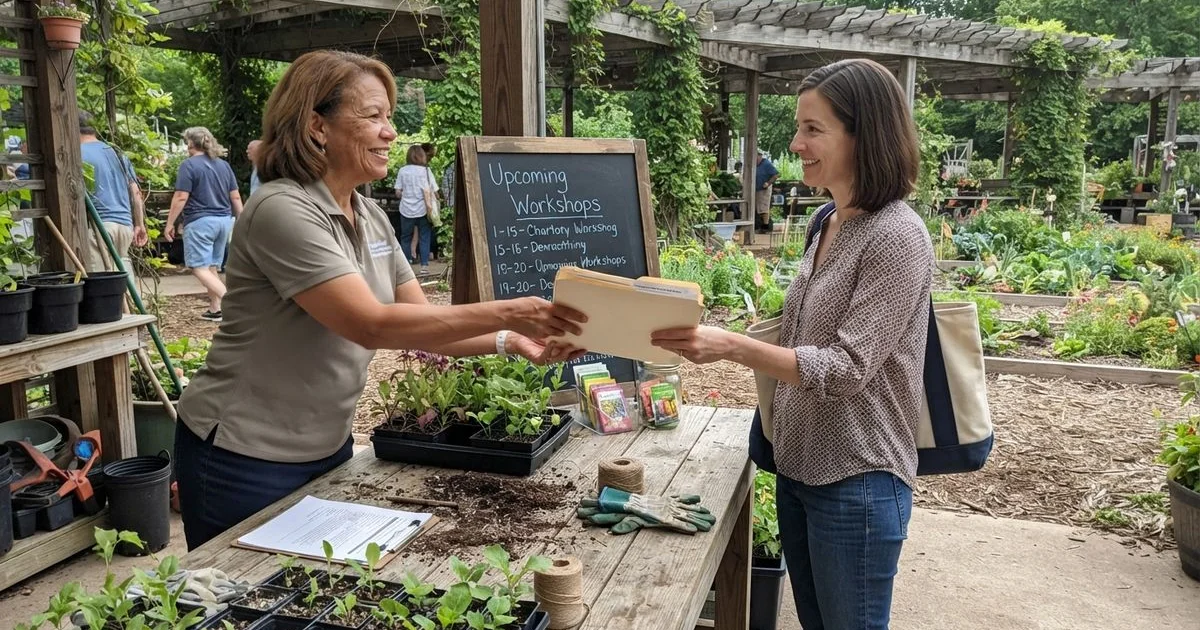
Full landscape design fees are not always necessary to get real guidance. Between free consultations, scoped-down plans, and public horticulture resources, there is a meaningful amount of help available before you commit to a paid, full-scope design.
Free consultations are common, with a catch
Many designers, particularly firms that also install their own designs, offer a free initial consultation. It is worth taking, but understand what you are getting: general direction, rough pricing, and a sense of whether the designer is a good fit, not a detailed, scaled plan you can hand to a contractor. Treat it as a research step rather than a substitute for a paid design if your project needs precise layout and measurements.
Scoping down the project is the most reliable savings
If a full design plan is more than your budget allows, ask about a smaller scope. A consultation-only visit costs the least. A planting-plan-only design, covering just plant selection and placement without hardscape layout, costs noticeably less than a full design. This works well if you already know what you want structurally (where the patio goes, where the beds are) and mainly need help choosing and arranging plants.
| Option | Relative cost | Best fit |
|---|---|---|
| Free consultation | None | Early research, general direction |
| Cooperative extension resources | Free or very low cost | Plant selection, soil testing, basic horticulture questions |
| Planting-plan-only design | Low | You already know the layout, need plant guidance |
| Full design plan | Moderate to high | A complete, coordinated yard plan |
Public horticulture resources are underused
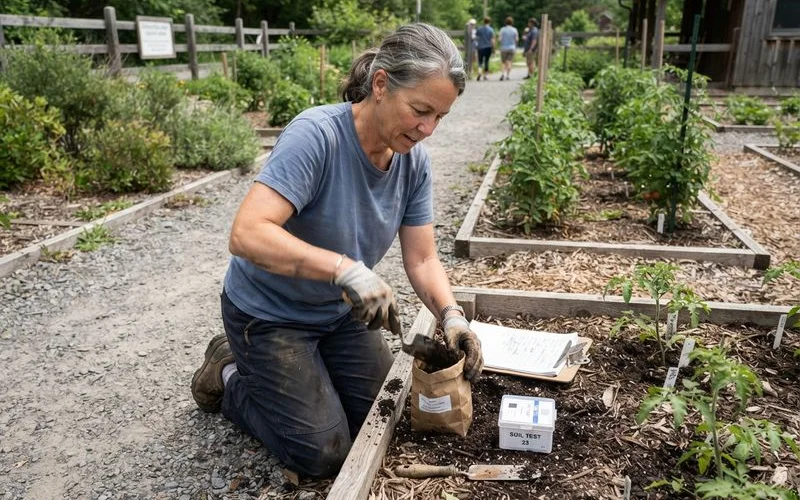
The North Carolina and South Carolina cooperative extension offices provide free or low-cost horticulture guidance, including plant selection advice suited to your specific soil and sun conditions, and often offer soil testing at a low fee. This will not replace a full design plan, especially for anything involving hardscape or drainage, but it can meaningfully cover the plant-selection side of a project for homeowners handling their own layout.
Splitting the project between yourself and a professional
A common cost-saving approach is paying a designer only for the parts that benefit most from expertise, plant selection, layout, and any drainage or grading decisions, while handling installation labor yourself or hiring a lower-cost crew separately for the physical work. This works best for planting-focused projects; anything involving structural hardscape, retaining walls, or electrical work for lighting is worth having installed by a professional regardless of budget, since mistakes there are expensive to redo. If reducing long-term upkeep matters as much as reducing the upfront design fee, our guide on low-maintenance landscape design for aging in place covers changes that cut both cost and effort over time.
What to ask for if budget is the main constraint
Tell the designer directly that budget is limited and ask what the smallest scope is that would still give you a usable plan. A good designer can suggest a phased approach or a reduced scope rather than pushing you toward a full design you cannot comfortably afford. If a designer only offers one package with no flexibility, that is worth factoring into your decision.
A reasonable starting point
Start with a free consultation to narrow down a designer and get a general sense of cost, then decide whether a full plan, a planting-only plan, or a self-guided approach using extension office resources fits your budget and the actual complexity of your yard.
Compare designers offering free consultations from our home page, and see our methodology for how listings here are evaluated.
FAQ
- Do landscape designers offer free consultations?
- Many do, especially firms that also handle installation, since the consultation doubles as a sales visit for their build services. A free consultation typically gives you general direction and rough pricing, not a detailed, scaled plan.
- Is a planting-plan-only design cheaper than a full design?
- Yes, noticeably. Scoping the project down to just a planting plan, skipping hardscape layout and construction documents, is one of the most effective ways to reduce the design fee if your project does not need the full scope.
- Are there free resources for landscape advice besides hiring a designer?
- The North Carolina and South Carolina cooperative extension offices offer free or low-cost horticulture advice, plant selection guidance, and soil testing, which can cover a good part of a planting decision without a paid design consultation.
- Can I get a partial plan and do some of the work myself?
- Yes. Many designers will scope a plan to cover just the layout and plant selection, leaving installation to you or a separate lower-cost crew, which reduces the overall project cost compared to a full design-and-build package.